BYTE | Crypto and economic developments October 2026
October brought several important developments for Canada's crypto market. The Bank of Canada raised interest rates, new federal stablecoin regulations were proposed, and a major security incident involving Binance made headlines near the end of the month.
Meanwhile, Canada's latest economic figures pointed to slowing growth, Solana activated a major network upgrade, and Bitcoin, Ethereum, and other cryptocurrencies experienced price volatility.
Here's a closer look at October's crypto news, economic developments, and what they mean for Canadians.
These stories reflect two different parts of the crypto landscape: the economic conditions surrounding financial markets and the ongoing development of blockchain technology and regulation.
October brought another stretch of volatility across crypto markets, with notable price declines during the middle of the month and further fluctuations toward month-end.
Bitcoin finished October at C$108,817.38, a −10.68% change, while Ethereum closed at C$3,151.20, a −18.45% change.
October's Gravity Gauge tracks how selected cryptocurrencies performed in Canadian dollars, using their opening prices at the beginning of the month and closing prices at month-end.
Prices reflect beginning-of-month opening and end-of-month closing levels. All prices are in CAD.
Cryptocurrency prices are often quoted globally in U.S. dollars, but their value in Canadian dollars also depends on exchange rates.
For example, if Bitcoin's U.S. dollar price stays the same while the Canadian dollar weakens, Bitcoin's CAD equivalent can increase. If the Canadian dollar strengthens, the opposite can happen.
That means a change in BTC/CAD doesn't necessarily reflect a change in Bitcoin's USD price alone.
For a more detailed explanation, read our guide to how Bitcoin's Canadian dollar price is calculated.
The Bank of Canada raised its policy interest rate by 0.25 percentage points to 2.50% on October 28, 2026, citing concerns about persistent inflation, particularly the effects of higher energy costs.
The central bank noted that higher fuel prices were increasing transportation and production costs, raising the possibility that businesses could pass more of those costs along to consumers.
The U.S. Federal Reserve took a different approach on the same day, holding its benchmark interest rate steady at 3.75%–4.00%.
These decisions highlight the different economic conditions facing the two countries. While both central banks remained concerned about inflation, Canada chose to increase borrowing costs while the U.S. maintained its existing rate.
Interest rate decisions influence borrowing costs, currency values, and broader financial conditions. These factors can also affect how investors approach assets such as cryptocurrencies.
However, interest rate changes don't determine crypto prices on their own. Digital assets are influenced by several factors, including market liquidity, investor activity, regulation, and developments within individual blockchain networks.

October's economic reports offered a mixed picture of Canada's economy, with inflation remaining elevated while employment weakened.
According to Statistics Canada's October 19 report, Canada's annual inflation rate increased to 3.1% in September, compared with 3.0% in August.
Gasoline prices were a major contributor, increasing 27.8% year over year; however, the broader picture was more nuanced. Excluding gasoline, inflation actually slowed to 2.2%, compared with 2.4% the previous month.
This distinction matters because headline inflation reflects the combined movement of many prices. A sharp increase in one category can push the overall rate higher even when price increases elsewhere are moderating.
Employment declined by 68,000 in September, following a loss of 42,000 jobs in August, according to Statistics Canada's Labour Force Survey.
The unemployment rate increased to 6.5%, with workers aged 15 to 24 accounting for a significant share of the decline.
These figures suggest continued weakness in parts of Canada's labour market, although monthly employment changes can vary considerably.
Trade uncertainty remained another important economic factor.
On October 20, Canada's Parliamentary Budget Office (PBO) reduced its 2026 economic growth forecast for Canada from 1.1% to 0.9%, reflecting updated expectations around U.S. tariffs and Canadian countermeasures.
The revised outlook highlights the potential effects of trade restrictions on Canadian businesses and economic activity.
It is important to distinguish these forecasts from economic results already recorded. They represent expectations based on currently available information and may change as conditions evolve.
New figures released by Statistics Canada on October 30 showed that Canada's economy was essentially unchanged in August, marking a second consecutive month of little to no growth.
The preliminary estimate for September pointed to a 0.1% decline in GDP. Together, the results suggest economic activity remained sluggish heading into the fall, although September's estimate is subject to revision.

Canada took another step toward federal stablecoin oversight on October 24, publishing proposed regulations that would establish requirements for certain stablecoin issuers.
A stablecoin is a type of crypto asset designed to maintain a value relative to another asset, often a traditional currency such as the U.S. dollar. However, its value is not guaranteed to remain stable.
Under the proposed Stablecoin Regulations, covered issuers would be required to:
The proposal addresses an important distinction in Canada's existing regulatory framework.
Provincial and territorial securities regulators already oversee how certain stablecoins are made available through crypto trading platforms. The proposed federal framework would introduce additional oversight focused on the issuance of stablecoins, particularly those used across provincial and international borders.
For consumers, the proposed requirements aim to address risks related to reserve backing, redemption, and issuer operations.
However, these rules are not yet in effect. The government intends for the framework to come into force in fall 2027, following the regulatory process.
The proposal also doesn't mean that stablecoins would become risk-free or government-guaranteed.
On October 1, the U.S. Securities and Exchange Commission proposed changes to how registered investment advisers and regulated investment funds can hold crypto assets.
The SEC proposal would permit certain forms of self-custody and allow state trust companies to safeguard crypto assets, subject to specified conditions.
Custody refers to how assets are held and safeguarded. For cryptocurrencies, that can involve control over the cryptographic keys used to access and transfer assets.
The proposed changes are intended to address how existing U.S. financial regulations apply to crypto assets.
Why does this matter? Custody requirements are an important part of how regulated financial institutions manage client assets. Clearer rules could influence how some U.S. firms structure their crypto services.
The proposal remains under consultation and does not directly change the custody requirements that apply to Canadian crypto trading platforms.
Solana activated the first phase of Alpenglow on October 21, 2026, introducing a major change to how the blockchain confirms transactions.
According to Solana's technical documentation, the new consensus system targets transaction finality of approximately 150 milliseconds, compared with roughly 12.8 seconds under its previous system.
Transaction finality is the point at which a blockchain transaction is considered irreversible.
For example, when someone transfers an asset on a blockchain, the network must agree that the transaction is valid and permanently recorded.
The faster that process happens, the sooner applications can treat the transaction as finalized.
Faster finality could improve how quickly applications confirm completed transactions, potentially benefiting services that depend on timely blockchain settlement.
However, faster blockchain finality does not necessarily mean that every application, trading platform deposit, or withdrawal will be completed in the same amount of time. Additional processing steps and network conditions can affect the overall experience.
The Alpenglow upgrade represents a change to Solana's network infrastructure, not a prediction about the future price or performance of SOL.
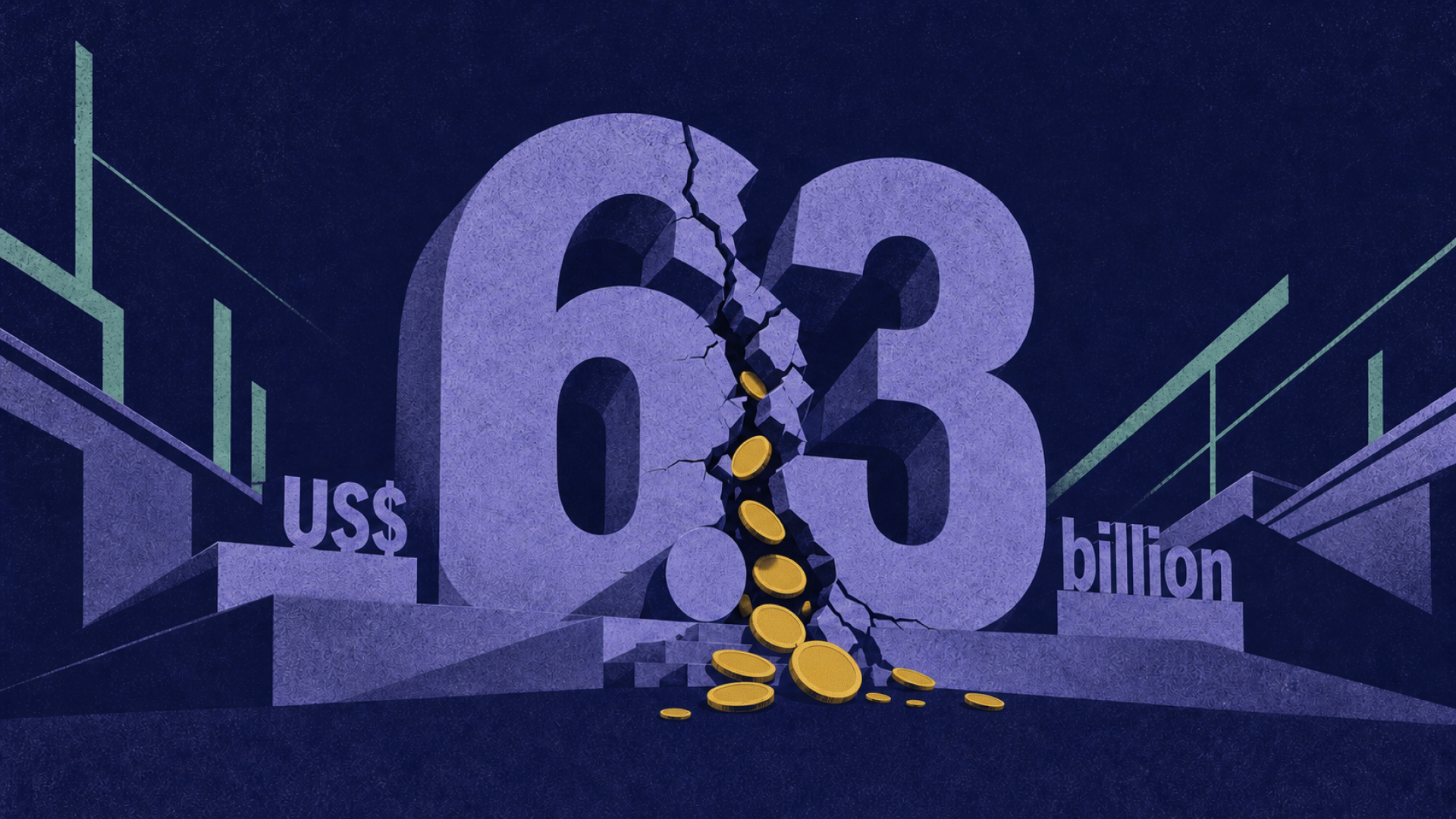
On October 29, Binance experienced a major security incident involving unauthorized transfers from its hot wallets. According to the company, approximately US$6.34 billion in crypto assets were affected, with US$2.85 billion subsequently frozen or intercepted.
Binance temporarily suspended withdrawals while investigating and containing the incident. Deposits remained operational, and withdrawal services began resuming in phases on November 1, with additional assets becoming available on November 3.
In its November 3 update, Binance said it had set aside sufficient funds to cover the losses from its own operational capital and had replenished most of the affected assets. The investigation remains ongoing, with further independent security reviews planned.
The Binance incident highlights why a crypto trading platform's internal security and withdrawal controls matter, not just how it stores client assets.
According to Binance's preliminary findings, attackers gained unauthorized access to an internal wallet-signing service, allowing them to initiate transactions outside the normal withdrawal process.
In Canada, crypto trading platforms operate under custody and risk-management requirements. These provide a framework for safeguarding client assets, but understanding a platform's own security practices is also important.
For anyone assessing a crypto trading platform, useful questions include who holds client assets, how withdrawals are authorized, what security controls protect internal systems, and how suspicious activity is detected and addressed.
Several economic releases and policy events are scheduled for November and December.
These releases will provide additional information about inflation, employment, and Canada's economic outlook.
For more context on how markets and economic policy evolved earlier in the year, read our August–September 2026 Canadian crypto market update.
And for current information beyond this monthly snapshot, you can explore cryptocurrency prices and supported assets on Newton.
This recap covers developments from October 1–31, 2026. Binance's recovery updates reflect information available as of November 3, 2026. Cryptocurrency performance figures are based on opening and closing prices for October, quoted in CAD.